Remote Work
Effective Strategies for Onboarding Remote Employees
Amir ReiterNovember 25, 2024

The success of remote teams begins with a well-structured onboarding process. With an increasing number of companies adopting remote work, ensuring a smooth and interactive onboarding process has become essential.
A strong start is crucial for long-term productivity and engagement, yet many organizations struggle with onboarding remote hires. With the right strategies, onboarding remote employees can be efficient and motivating.
In this blog, we’ll dive into five proven strategies to help you onboard remote employees successfully, plus one bonus approach to take your onboarding process to the next level.
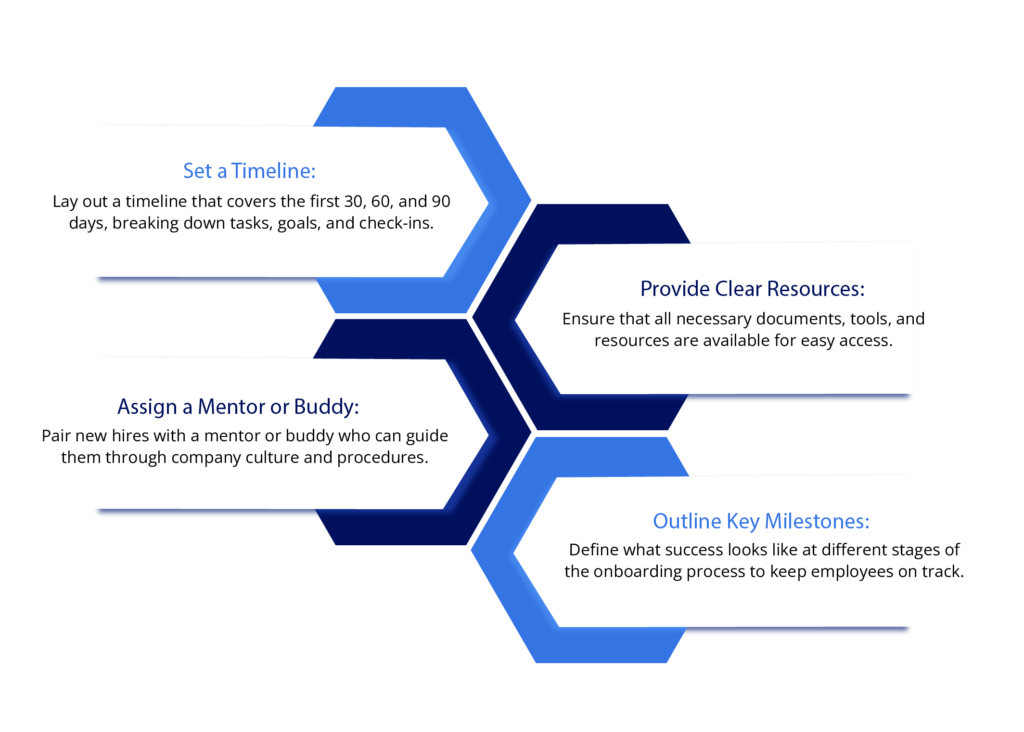
1. Create a Structured Onboarding Plan
A clear, structured onboarding plan is critical for setting expectations and giving new hires a roadmap to follow.
Remote employees can’t rely on in-person cues to figure out how things work, so structure matters more than ever.
The goal is to provide clarity from day one, ensuring employees know what to expect in their first few weeks.
Here’s how to structure your remote onboarding:
2. Leverage Technology for Interactive Training
Remote onboarding is all about making the experience engaging, even when it’s done virtually.
Tools like Zoom, Slack, and Learning Management Systems (LMS) provide interactive ways to onboard employees without them ever setting foot in the office.
According to LinkedIn’s Workplace Learning Report, 94% of employees would stay longer at a company that invests in their learning and development, making tech-enabled training crucial.
Here’s how to leverage technology effectively:
- Use Video Introductions: Create video tutorials or introductions to make training feel more personal and engaging.
- Implement Interactive Learning Platforms: Use tools like Lessonly or TalentLMS to provide hands-on training modules.
- Facilitate Real-Time Collaboration: Use communication tools like Slack or Microsoft Teams for real-time Q&A sessions and team introductions.
- Record Key Sessions: Make recorded webinars or onboarding sessions available for future reference.
3. Foster Connection and Engagement Early On
One of the biggest challenges of remote onboarding is making employees feel connected to the team. Without the social aspect of an office environment, remote workers can feel isolated.
According to a report, 85% of employees worldwide are not engaged at work, and poor onboarding can contribute to this disengagement. To combat this, fostering connection early on is key.
Here’s how to promote connection and engagement:
- Schedule Virtual Welcome Meetings: Host virtual coffee chats or team introductions within the first week to help new hires meet their colleagues.
- Create a Slack Channel for New Hires: A dedicated channel allows new employees to bond with others going through the onboarding process at the same time.
- Organize Virtual Team-Building Activities: Include activities like trivia or online games to make onboarding more interactive and fun.
- Encourage Open Communication: Let new hires know they can reach out with questions or feedback at any time, ensuring they feel supported.
4. Prioritize Regular Check-Ins and Feedback
Continuous feedback is crucial for remote employees, especially during the onboarding phase.
Without the opportunity to have informal in-person check-ins, it’s important to make feedback a regular part of the process.
Regular check-ins not only provide clarity but also help employees feel more connected and supported.
Here’s how to implement regular check-ins:
- Weekly 1:1s: Schedule weekly one-on-one meetings between the new hire and their manager to discuss progress and address any concerns.
- Feedback Loops: Create a feedback loop where new hires can provide input on their onboarding experience to continuously improve the process.
- Celebrate Small Wins: Acknowledge and celebrate milestones or achievements during the onboarding process to keep morale high.
- Provide Constructive Feedback: Be clear and constructive when offering feedback, ensuring it’s both actionable and supportive.
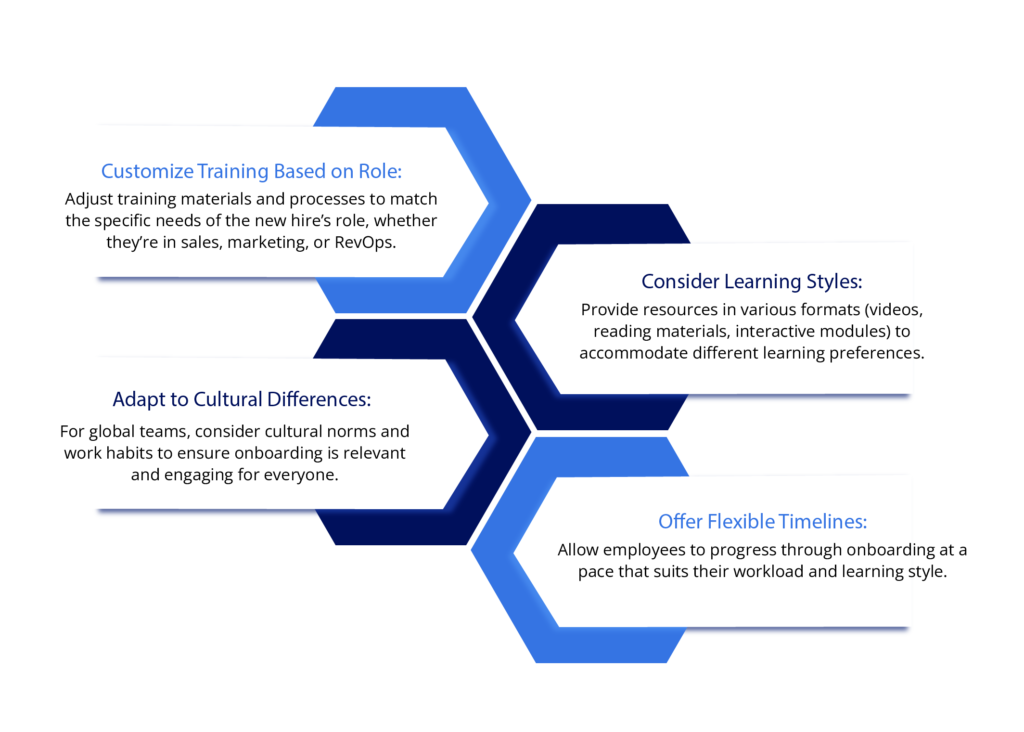
5. Tailor Onboarding to the Individual
No two employees are the same, so why should their onboarding experience be?
Tailoring your onboarding process to each individual’s role and needs can lead to better outcomes.
A study by Gartner found that personalized onboarding improves employee engagement by up to 20%. Tailored onboarding acknowledges that employees learn and adapt at different paces and helps them feel more valued.
Here’s how to tailor onboarding:
Bonus Strategy: Implement a “Reverse Onboarding” Approach
A unique and highly effective way for onboarding remote employees is through “reverse onboarding.”
Instead of only training new hires about the company, give them the chance to share their fresh perspectives and experiences with existing teams. This approach helps bridge gaps between departments and gives new employees a sense of ownership from the start.
It’s a two-way exchange that benefits both the company and the new hire, making them feel valued and included right away.
Here’s how to implement reverse onboarding:
- Host Knowledge-Sharing Sessions: Let new hires present insights from their past experiences, showcasing any innovative methods or tools they’ve used in previous roles.
- Gather Feedback on Processes: Ask new employees for feedback on your current onboarding and operational processes, giving you fresh perspectives to improve.
- Encourage Collaborative Problem-Solving: Integrate new employees into brainstorming sessions or strategy meetings early on to get their input on company challenges.
- Document Fresh Ideas: Have new hires document any suggestions or observations they make during their first few weeks, which can be used to optimize internal processes or projects.
- Cross-Departmental Introductions: Create opportunities for new hires to meet with teams outside their immediate role to share insights and learn about cross-functional dynamics.
Final Thoughts
Remote work comes with unique challenges, and the onboarding process is where those challenges can either be mitigated or amplified.
Choosing the right remote candidates who align with your company’s goals and values will make all the difference in how well they integrate and perform.
A well-thought-out hiring strategy, supported by clear onboarding processes, is key to setting your team up for success. It’s about more than just filling positions—it’s about finding talent that will thrive in a remote environment and drive your business forward.
If you’re looking to hire remote candidates for your sales roles, CloudTask offers a curated marketplace with pre-vetted, skilled professionals.
Explore the CloudTask Marketplace today and find top talent for your remote team.
Frequently Asked Questions (FAQs)
How do I ensure remote hires stay engaged after onboarding?
- While a strong onboarding process sets the foundation, maintaining engagement requires ongoing effort. Regularly checking in with your remote employees and implementing long-term strategies, such as career development plans and recognition programs, will help keep your team motivated and aligned with your company’s goals.
What if my remote hires struggle to adapt to the company culture?
- Adapting to a company’s culture can be more challenging remotely, but this can be addressed by fostering a strong sense of belonging from the start. Organize team-building activities, and promote open communication. If adaptation issues arise, consider providing additional cultural onboarding and support to bridge any gaps early on.
How can I measure the success of my remote onboarding process?
- Success can be tracked through clear metrics, such as employee retention rates, productivity levels, and feedback from new hires. Gathering data on how quickly new employees reach their performance goals and how well they integrate into the team will give you insights into the effectiveness of your onboarding process.