
Hiring your first remote team is hard when you have no recruiter and a tight budget. A remote talent marketplace for startups can fix that. This guide explains what these platforms are, why startups use them, and how to pick the right one.
You will learn the difference between open and managed marketplaces, what they cost, and how fast they hire. We back the key points with data from named sources like the BLS, SHRM, Ashby, and Upwork. By the end, you will know which model fits your startup and where CloudTask fits in.
What a Remote Talent Marketplace Is
A remote talent marketplace for startups is an online platform that connects a company with remote workers it can hire. Some list open profiles you sort through yourself. Others vet the talent first and send you a short list.
Startups search for these platforms for a simple reason. They rarely have a full HR team, a large budget, or time to run a long search. A marketplace gives them a faster path to a hire.
A marketplace is different from a job board. A job board posts your opening and waits for applicants, while a staffing agency runs the search and charges a large fee per hire.
A marketplace sits between those two. It gives you a ready pool of workers you can browse or get matched with, without a full outside search.
Remote work now reaches a big share of the workforce. According to Upwork's 2026 Future Workforce Index, approximately 38% of skilled US knowledge workers did some freelance work. You can see the full freelance workforce data behind that shift.
Why Startups Use Remote Talent Marketplaces
Startups turn to these platforms to solve real constraints. Each benefit below maps to a pressure a small team feels every week.
- You skip weeks of sourcing and start reviewing candidates fast.
- You reach talent at rates below crowded US hiring markets.
- You hire from anywhere in the world, not just your own city.
- You avoid building an in-house recruiting function too early.
Remote roles also pull in more people. Ashby's data on how remote roles attract applicants found that remote startup jobs received a material 42% more inbound applications than in-office startup jobs.
That reach matters because building a team in-house is slow and costly. We compare the two paths in our guide on in-house vs remote hiring.
The Cost of Building a Team In-House
Salary sets the US baseline, and it runs high. According to the BLS, the median annual wage for software developers was $133,080 in May 2024. That median US developer wage anchors what similar technical roles cost.
The hiring process adds its own bill. The average US cost-per-hire for nonexecutive positions is $5,475, per SHRM's average cost-per-hire benchmark.
Salary is only part of the fully loaded cost. You also pay for benefits, payroll taxes, software, and equipment. For a startup watching its runway, those numbers add up quickly.
The Speed Problem
US hiring takes weeks even when it goes smoothly. SHRM's US time-to-fill benchmark shows the median time-to-fill for nonexecutive positions declined from 44 days in 2025 to 39 days in 2026.
Startups feel this pressure more sharply. Ashby's startup hiring benchmarks show a clear pattern for smaller startups (fewer than 25 employees). Their time to hire drops by almost 30% when a recruiter is involved, at 42 days with a recruiter versus 62 days without one.
Most early startups have no recruiter, so 62 days is closer to their reality. Two months without a key hire can stall a whole quarter.
The Two Main Types of Remote Talent Marketplaces
Marketplaces fall into two broad models. One is open, and the other is managed. The model you pick decides how much vetting work lands on you.
| Factor | Open Freelance Marketplace | Managed / Curated Marketplace |
|---|---|---|
| Who vets talent | You do | The platform does |
| Time to short list | Days to weeks | As fast as 48 hours |
| Quality consistency | Varies widely | Screened before listing |
| Contracts and compliance | You handle them | Often handled for you |
| Best fit | Small, one-off tasks | Ongoing, full-time roles |
Open Freelance Marketplaces
An open freelance marketplace lets anyone create a profile. You post a job, sort through applicants, and check each one yourself. These sites hold millions of profiles across many skills.
The upside is reach and a low starting cost. You can find someone for almost any task, often within a day.
The tradeoff is quality control. No one screens profiles before they go live, so checking skills, references, and identity falls entirely on you. You also write the contracts and handle any tax or compliance steps yourself.
This model suits well-defined, short-term work. A logo design, a landing page, or a one-week data cleanup fits it well. For a core hire who needs to stay for a year, the DIY vetting and turnover risk get expensive.
Managed and Curated Marketplaces
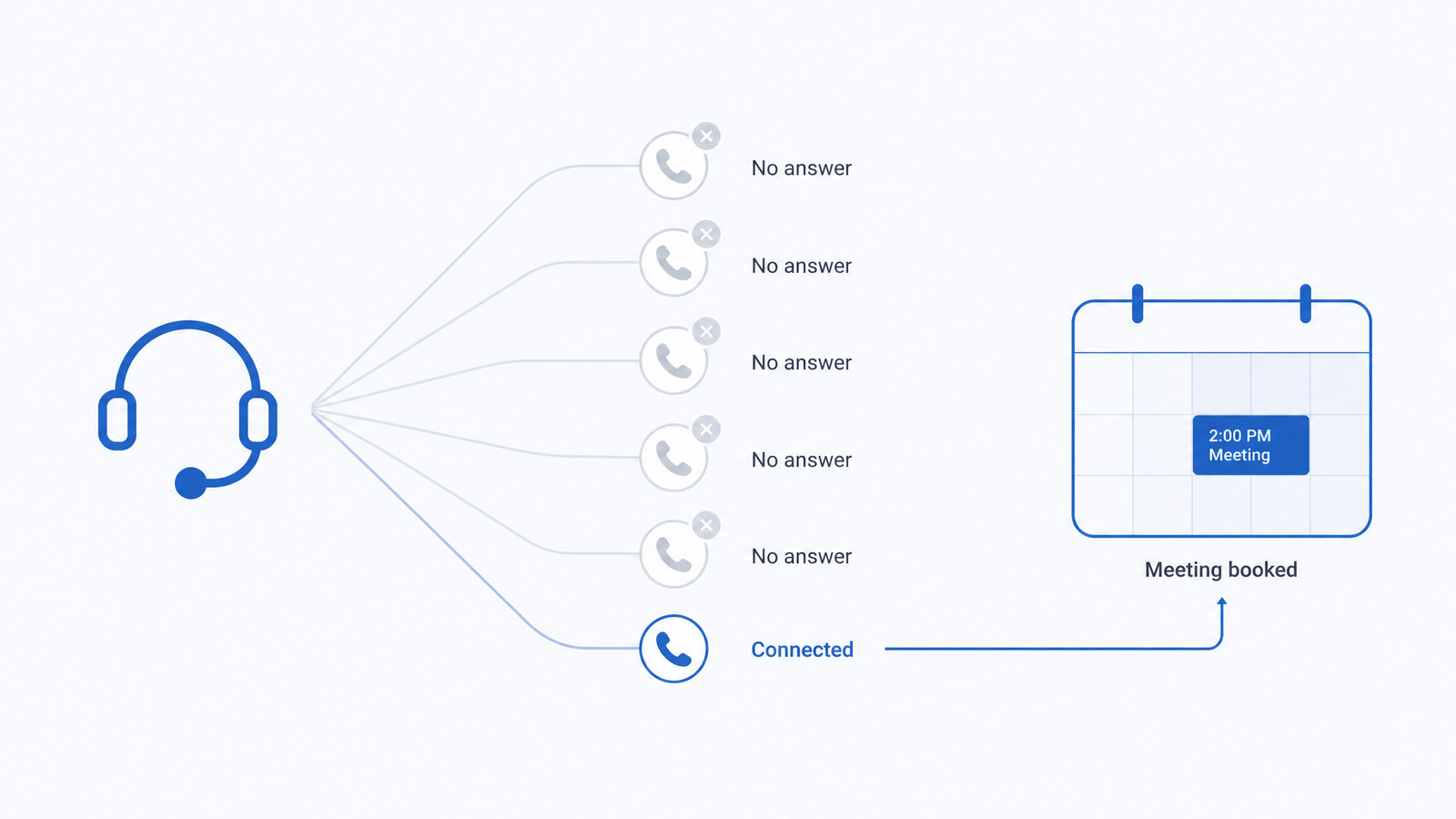
A managed marketplace screens talent before you ever see a profile. The platform reviews skills and experience, then sends you a short list of matches. That speeds up hiring and lifts the vetting burden off your team.
CloudTask works this way, although it is a staffing and recruiting company rather than a marketplace. Our curated candidate matching sends you 3-5 vetted candidates within 48 hours, and we score every candidate across seven fit dimensions first.
You can also browse pre-vetted LATAM talent directly. Each profile shows availability, tool experience, and English fluency, so you compare real detail before you talk to anyone.
This model fits ongoing, full-time roles where a wrong hire costs real money. You trade some breadth of choice for screened quality and less admin work. For most startups filling a revenue seat, that trade is worth it.
How to Choose the Right Remote Talent Marketplace for Startups
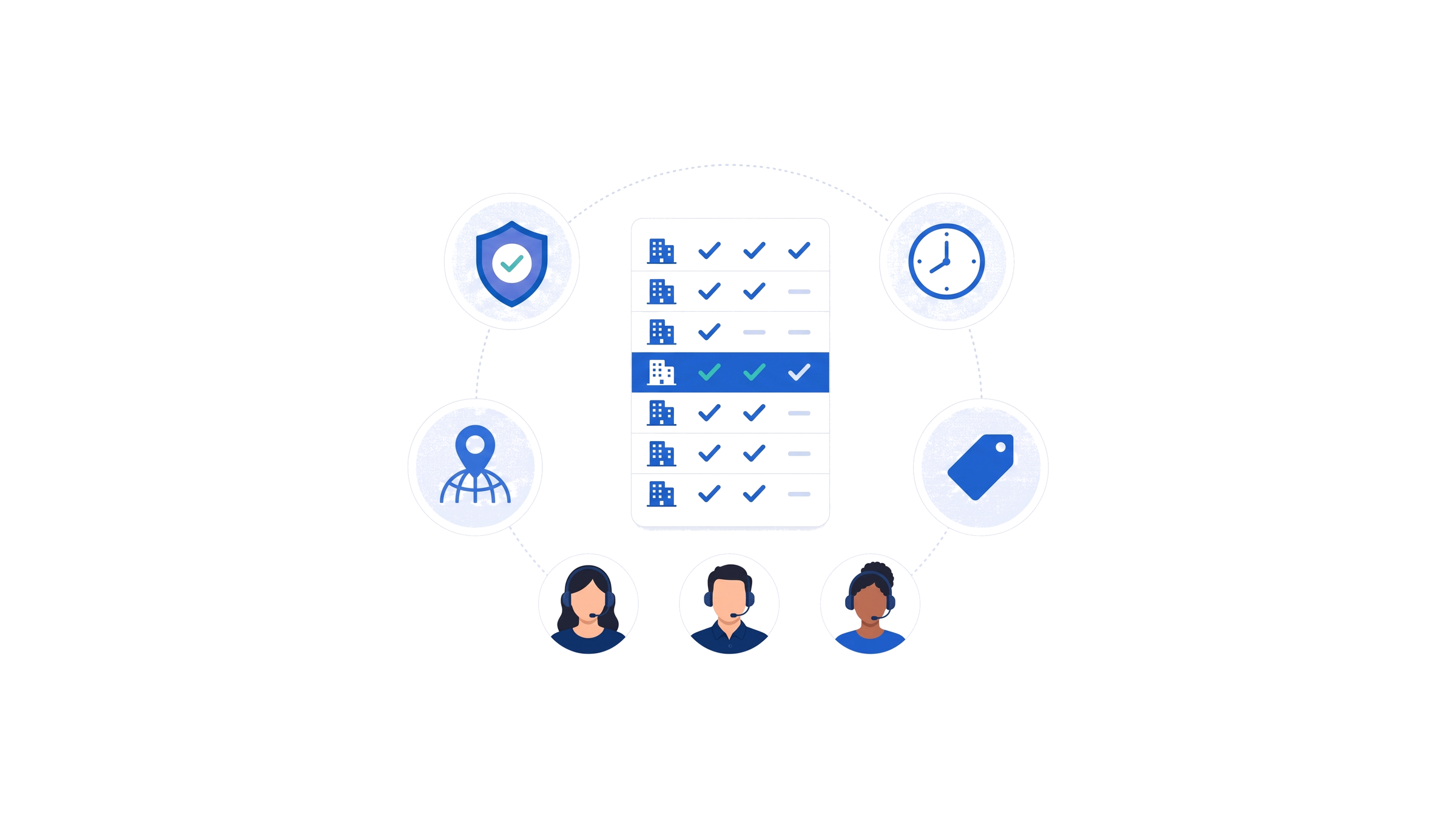
The right choice depends on what your startup needs most. Weigh four things before you commit, and match them to your stage and budget.
A useful test is how much of the hiring work you can absorb right now. If you have time to screen and manage contracts, an open platform can work well for short projects. If you need a reliable full-time hire fast, a managed marketplace usually pays off.
Write down your must-haves for speed, budget, and role type. Then judge each platform against that list rather than its marketing.
Vetting and Quality of Hire
A bad hire hurts a startup more than a big company. You have fewer people to absorb the gap, so fit matters from day one.
Volume means little if the match is wrong. Good vetting checks real skills, past results, and how long someone tends to stay in a role.
Retention is the clearest quality signal. 85% of CloudTask hires are still in seat past 90 days, and every hire carries a 6-month replacement guarantee, on both Managed Staffing and Direct Hire.
Cost and Pricing Models
Marketplaces charge in a few ways. Some take a placement fee per hire, and some add a markup on the worker's rate. Others charge a flat membership, or a mix of these.
Watch for hidden fees and long lock-in terms that raise your true cost. A low headline rate can hide a large fee at the end.
Nearshore talent is a strong cost lever. CloudTask offers two models: Managed Staffing, one all-in monthly rate per person, and Direct Hire, a one-time fee of 20 to 30% of first-year base salary. See how pricing works. Check current ranges in our 2024 LATAM salary guide.
Payroll, Benefits, and Compliance
Hiring across borders creates real paperwork. You owe payroll, local taxes, benefits, and labor-law compliance in the worker's country.
Getting this wrong risks fines and legal trouble. A vendor of record (a company that legally employs the worker for you) removes that burden.
CloudTask is the vendor of record across 12 LATAM countries. Payroll, taxes, and compliance stay off your plate, so you focus on the work.
Timezone and Communication Fit
Go-to-market work runs on live calls and quick replies. A rep 12 hours ahead cannot join your standup or hop on a customer call at short notice.
Nearshore talent solves this. LATAM sits in US-friendly time zones, so your team works the same hours as your reps.
English fluency matters just as much for sales and support roles, and CloudTask rates fluency on every profile. For deeper context, see our guide to remote hiring in Latin America.
Roles Startups Commonly Hire Through a Marketplace
Startups fill many roles this way, especially across go-to-market and operations teams. These are the common ones.
- Sales development reps (SDRs) book meetings and qualify inbound leads.
- Account executives (AEs) run product demos and close new deals.
- Customer success managers (CSMs) keep customers active and renewing.
- RevOps and AIOps specialists manage the CRM and automate workflows.
- Marketers run demand generation and content programs.
- AI-powered virtual assistants handle scheduling, inbox, and admin work.
Frequently Asked Questions
Which Platforms Do Startups Use to Hire Remote Talent?
Startups use open freelance platforms, curated or managed marketplaces, and remote job boards. Many pick a managed marketplace when they need vetted, ready-to-work hires without doing the screening themselves.
What's the Best Marketplace for an Early-Stage Startup on a Budget?
The best fit depends on whether you need vetted hires fast or are willing to vet candidates yourself. Nearshore options like CloudTask lower cost while keeping US timezone overlap, which suits budget-conscious teams.
Do Startups Support Fully Remote Work?
Many startups still hire fully remote, though the share of remote roles has settled below its pandemic peak. Remote roles stay popular because they widen the applicant pool.
How Fast Can a Startup Hire Through a Remote Talent Marketplace?
A managed marketplace can deliver a vetted short list in as little as 48 hours. That is far faster than the typical US hiring timeline of several weeks.
Key Takeaways
- A remote talent marketplace for startups connects your team with remote workers you can hire.
- These platforms give you faster hiring, lower cost, a wider talent pool, and less HR overhead.
- Open platforms leave the vetting to you, while managed ones screen talent and send a short list.
- Smart selection weighs vetting, cost, compliance, and timezone fit against your stage.
- CloudTask is a staffing and recruiting company that places dedicated LATAM talent, with 3 to 5 matches in 48 hours and a replacement guarantee of 24 months on Managed Staffing and 6 months on Direct Hire.
Ready to see vetted matches for your open roles?