Last updated: October 29, 2026
The Short Answer
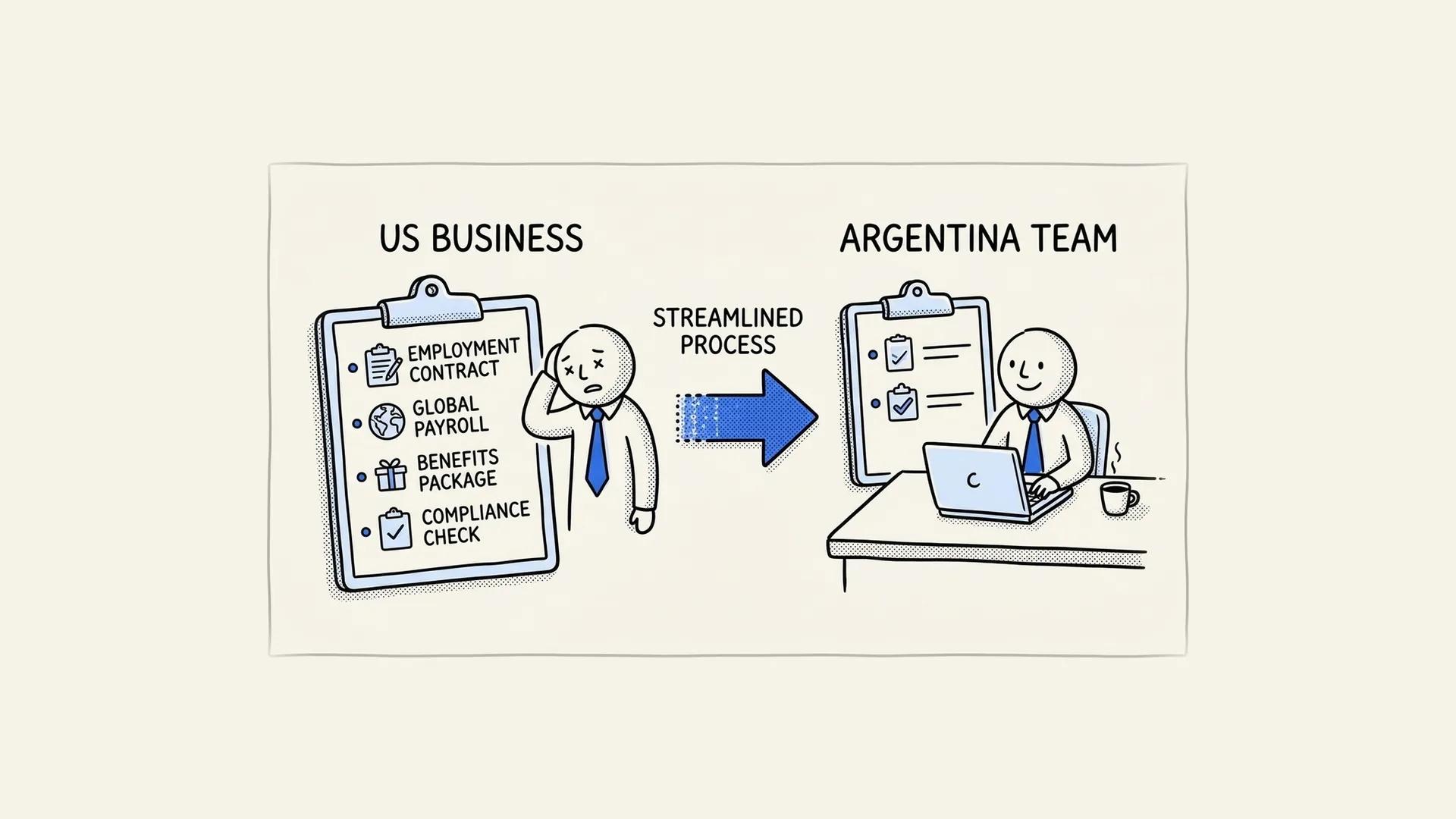
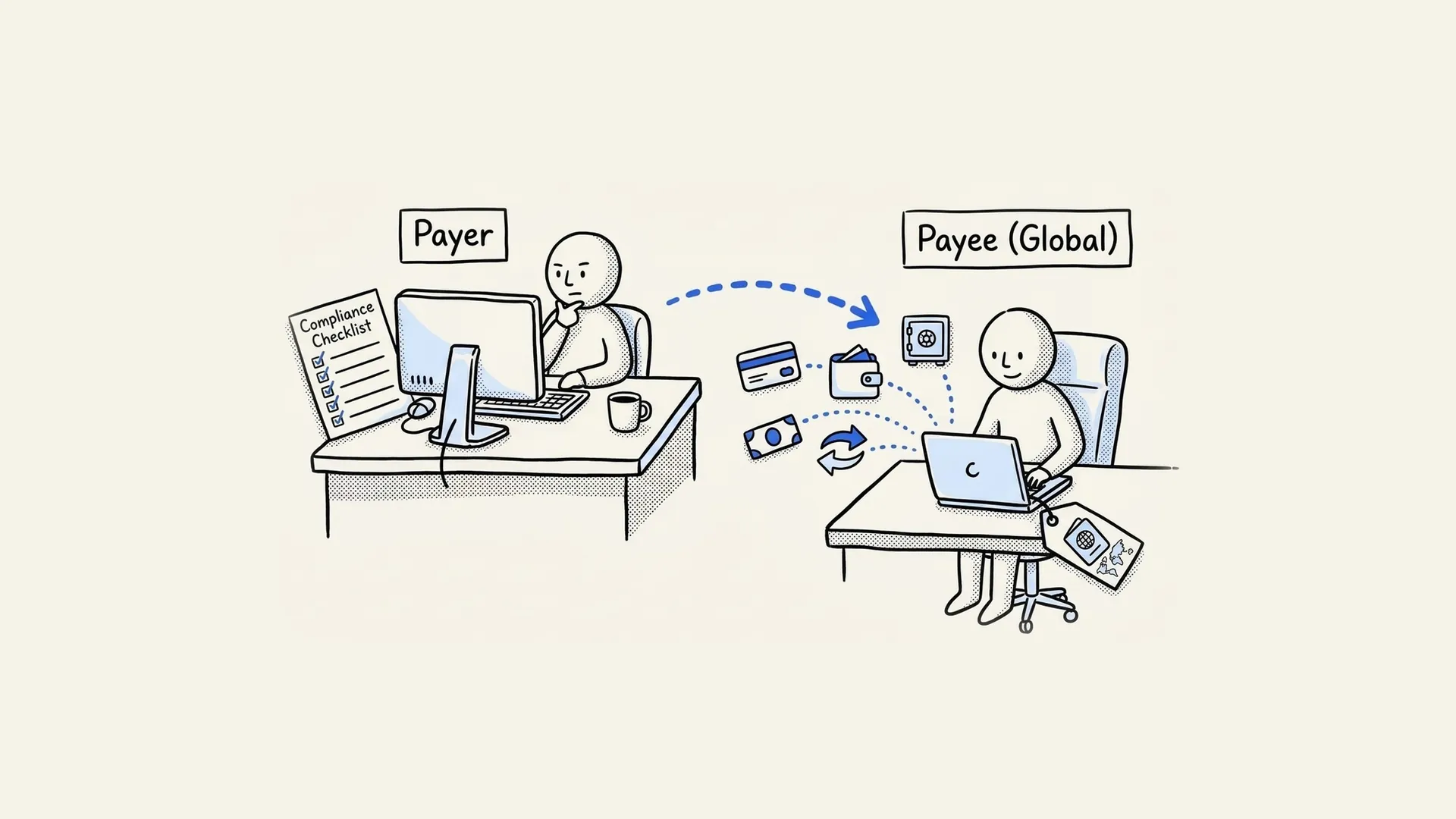
To pay remote workers abroad, most US companies use one of 3 routes: a money transfer service such as Wise or Payoneer, a contractor payment platform such as Deel or Ontop, or a staffing company that runs payroll for them. The right one depends on how many people you pay and whether they are contractors or employees.
At CloudTask, a staffing and recruiting company, we place remote hires from Latin America with US companies and handle payroll in our Managed Staffing model. This guide compares 7 payment options, explains what to check before you pick one and lists the costs that do not show up in the advertised fee.
Payment Options at a Glance
| Option | Type | Best for | Watch out for |
|---|---|---|---|
| Wise Business | Money transfer | Paying a few contractors monthly at low FX cost | You handle contracts and compliance yourself |
| Payoneer | Money transfer and payouts | Mass payouts in many countries | Conversion and withdrawal fees |
| PayPal | Digital wallet | Occasional small payments | Fees on cross-border payments and currency conversion |
| Stripe Connect | Payout infrastructure | Platforms that pay many sellers or freelancers through their own product | Needs developer work; not a payroll tool |
| Deel | Contractor and EOR platform | Contracts, payments and employer of record in 1 tool | Per-worker monthly pricing adds up |
| Ontop | Contractor payment platform | Contractor teams in Latin America | Contractors receive pay in an Ontop wallet |
| Staffing company | Payroll handled by the provider | Teams that want hiring and payroll in 1 monthly rate | Less direct control of the employment relationship |
Fees and features change often. Check each provider's pricing page before you commit.
1. Wise Business
Wise Business moves money abroad and converts currency at a lower cost than most banks. Its batch transfers let you pay up to 1,000 recipients at once.
- Good for: small teams of contractors paid on a fixed monthly amount.
- Keep in mind: Wise moves money. Contracts, invoices and tax forms stay with you.
2. Payoneer
Payoneer covers 190+ countries and territories and 70+ currencies, according to its site. It offers mass payouts and a workforce product for paying contractors and employees.
- Good for: companies paying many people across several countries.
- Keep in mind: compare the conversion rate and withdrawal fees with other options for your main countries.
3. PayPal
PayPal is familiar to most freelancers, which makes setup fast.
- Good for: occasional or small payments to freelancers who already use it.
- Keep in mind: cross-border and conversion fees make it expensive for regular payroll, and account holds can delay pay.
4. Stripe Connect
Stripe Connect lets a platform pay out to many users, such as sellers or freelancers on its own product.
- Good for: software platforms that already process payments with Stripe.
- Keep in mind: it needs developer work and does not replace payroll or contracts.
5. Deel
Deel combines contractor contracts, global payments and employer of record (EOR) services, where Deel becomes the legal employer in the worker's country.
- Good for: companies that want contracts, payments and compliance in 1 platform.
- Keep in mind: you still recruit the person yourself, and per-worker monthly fees add up as the team grows.
6. Ontop
Ontop focuses on paying contractors, with a strong presence in Latin America. Workers receive pay in a dollar-based wallet and can withdraw or spend from it.
- Good for: contractor teams in Latin America that want to hold US dollars.
- Keep in mind: confirm withdrawal options and fees in each worker's country.
7. A Staffing Company That Runs Payroll
A staffing company recruits the person and pays them as part of a monthly rate, so you do not manage cross-border payments at all.
In CloudTask's Managed Staffing model, you pay one all-in monthly rate per person that covers pay, payroll and ongoing managed support, with a 24-month guarantee and replacements not capped. If you would rather pay the person yourself, Direct Hire is a one-time fee with a 6-month guarantee and 1 replacement. Both start with a $299 deposit per hire, credited toward that hire's placement fee. See CloudTask pricing explained for details.
- Good for: companies that want hiring and payroll handled together.
- Keep in mind: CloudTask recruits every hire; it does not run payroll for people you found yourself.
How to Choose a Payment Method for Remote Workers
Ask 4 questions:
- Contractor or employee? Transfer tools work for contractors. If the person should be an employee in their country, you need an employer of record, a local entity or a staffing company.
- How many people, in how many countries? 1 or 2 contractors can run on Wise. 20 people across 5 countries need mass payouts or a platform.
- Who covers the fees? Decide whether the worker receives the full amount or pays the transfer cost, and put it in the contract.
- Which currency? Paying in US dollars moves exchange-rate risk to the worker. Paying in local currency moves it to you.
Classification and Taxes: Get Advice First
The payment tool is the easy part. How you engage the person sets what you owe, and the rules change by country. This section is general information, not tax or legal advice; confirm the details with a professional in each country.
- Contractor status depends on control, not on the contract title. If you set fixed hours and direct the work day to day, local law may treat the person as an employee.
- Foreign contractors usually give US companies IRS Form W-8BEN instead of a W-9 to document their foreign status.
- Tax treaties between the US and other countries can affect withholding. The IRS keeps the list of US income tax treaties.
For country-specific rules, see our guides to labor legislation in Latin America and hiring and paying employees in Argentina.
Hidden Costs in Cross-Border Payments
- Exchange-rate margin. Many providers add a markup to the rate. Compare it with the mid-market rate shown on Google or Reuters.
- Intermediary bank fees. International wires can pass through several banks, and each may take a cut.
- Withdrawal fees. The worker may pay again to move money from a wallet to a local bank.
- Delays. Transfers can take days. Late pay damages trust with a remote hire fast.
- Platform fees. Contractor and EOR platforms charge per worker per month on top of salary.
Write a short payment policy into every contract: currency, pay date, payment method, who covers fees and which expenses you reimburse, such as internet or equipment. For the full employer cost by country, see how much it costs to hire employees in Latin America.
Key Takeaways
- Wise and Payoneer fit contractor payments; Deel and Ontop add contracts and compliance; a staffing company handles hiring and payroll together.
- Pick the method after you decide whether the person is a contractor or an employee.
- Compare total cost: exchange-rate margin, transfer fees, withdrawal fees and platform fees.
- Put currency, pay date and fee rules in every contract.
- Get tax and legal advice for each country before you start paying.
Frequently Asked Questions
What is the best way to pay remote workers in other countries?
For a few contractors, a money transfer service such as Wise Business or Payoneer is usually the simplest and lowest-cost option. For larger teams or employees, a platform like Deel adds contracts and employer of record services. If you also need to hire, a staffing company such as CloudTask recruits the person and handles payroll in one monthly rate.
What are the best payout platforms for remote teams?
Payoneer offers mass payouts across 190+ countries and territories. Wise Business pays up to 1,000 recipients in 1 batch. Deel and Ontop combine contractor payments with contracts and compliance tools. Stripe Connect fits software platforms that pay users through their own product. The best choice depends on team size, countries and whether you need compliance help.
How do I pay a remote contractor in Latin America?
Agree on currency, amount and pay date in a written contract, collect the contractor's details and IRS Form W-8BEN, then pay through a service such as Wise, Payoneer or Ontop. Check withdrawal options in the contractor's country, since some workers prefer to hold US dollars. Confirm local classification rules with a professional.
Do I need to withhold taxes when paying foreign contractors?
A foreign contractor who does all the work outside the US usually gives you Form W-8BEN, and US withholding rules depend on the situation and any tax treaty. The contractor typically handles tax in their own country. Rules vary, so confirm with a tax professional before you start paying.
Can a staffing company handle payroll for remote hires?
Yes. In CloudTask's Managed Staffing model, you pay one all-in monthly rate per person that covers pay, payroll and ongoing managed support. CloudTask recruits the hire, so it does not run payroll for people a company found on its own. Direct Hire is the other option, where you pay the person yourself after a one-time fee.
Hire and Pay Remote Talent in 1 Step
CloudTask has placed more than 10,000 hires since 2016 across 12 countries in Latin America and the Caribbean. Get matched with 3 to 5 screened profiles in 48 hours, or see our pricing.